November 14, 2014
The Kapoma community named the new school block the “Bob and Sherley Block” in big red letters! (We didn’t care that Sherley is not the way we spell her name.) We felt honored! The new school is such a contrast to the old three-room structure, where the older children attend classes. The younger children completely fill the two new classrooms—60-70 young children squeezed into the desks in one room and about 40 children in the other. Despite the close quarters, they listened quietly to their teachers. We have many photos showing both younger and older children; you can see the bookshelves at the back of each classroom, holding all the materials used each day—not many for so many children!
During our visit in October 2014, we brought 400 notebooks and pencils (one for each child), a box of Obama pens (purchased locally!), along with about 70 soccer uniforms and 15 balls, with pumps and other accessories. (Soccer equipment was courtesy of Sports Gifts, a separate nonprofit organization.) This year Bob and Shirley were accompanied by their son Mark, his wife, Jolie, and 14-year-old daughter, Sarah. Mark’s family sponsors Bornface (who had club feet when we first met him) so that he can attend middle school, a boarding school several hours distant from his home by bicycle.
Teaching materials consist of one blackboard in each room from which children copy assignments. Teachers requested textbooks so that children may share with only one or two other persons. In addition, there is no longer clean drinking water at the school, and we promised to underwrite a new well.

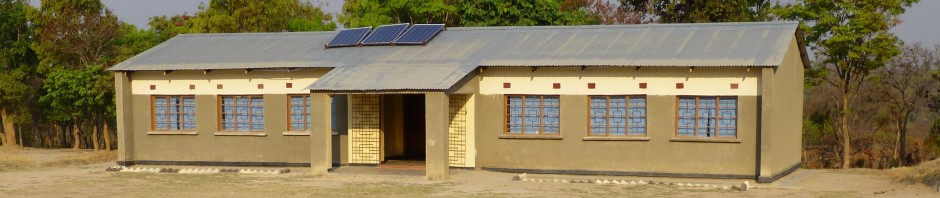
Bob and Shirley in front of one of the buildings they sponsored.
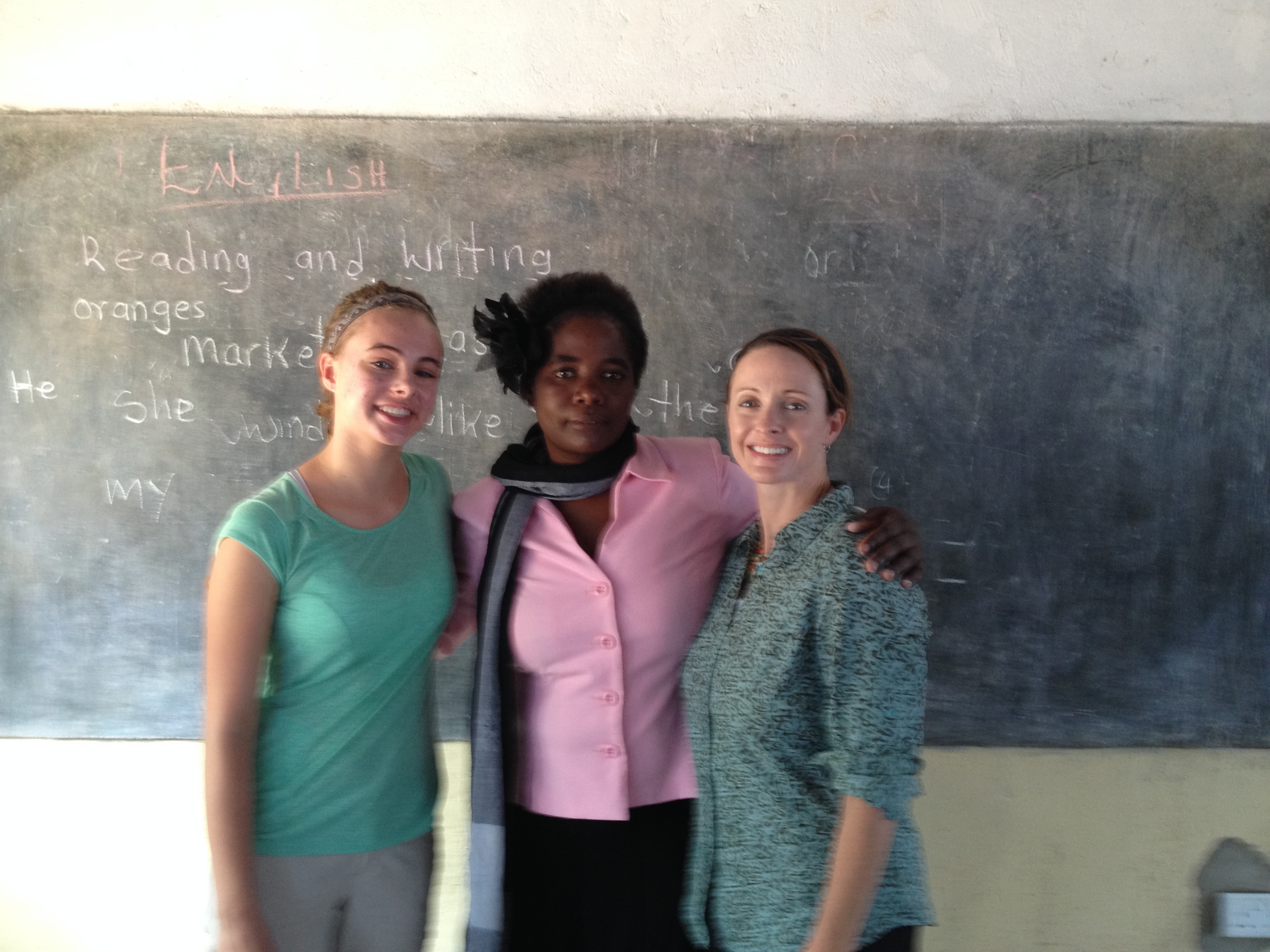
Sarah and Jolie with a local teacher
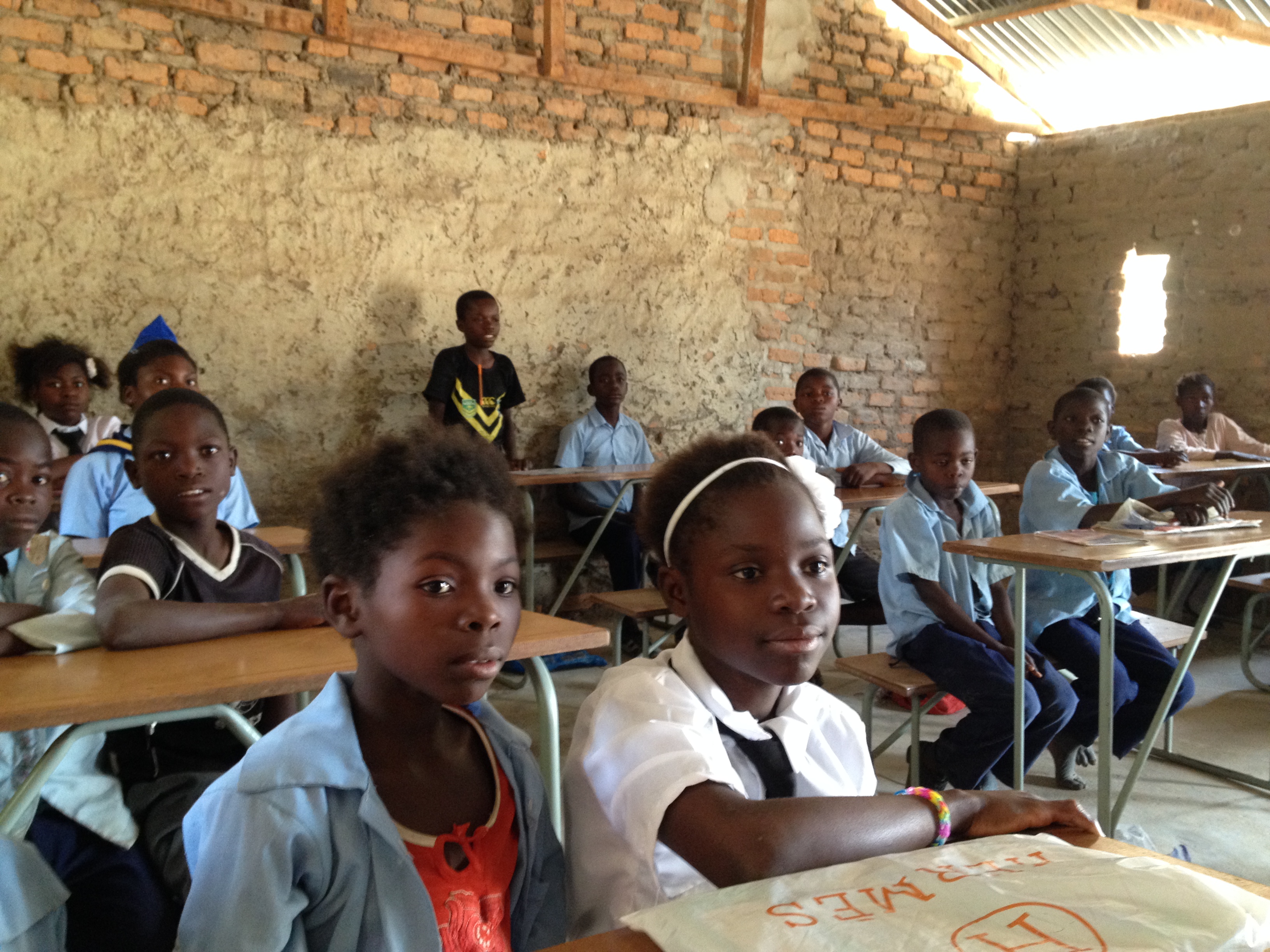
Children pack the classrooms each day.
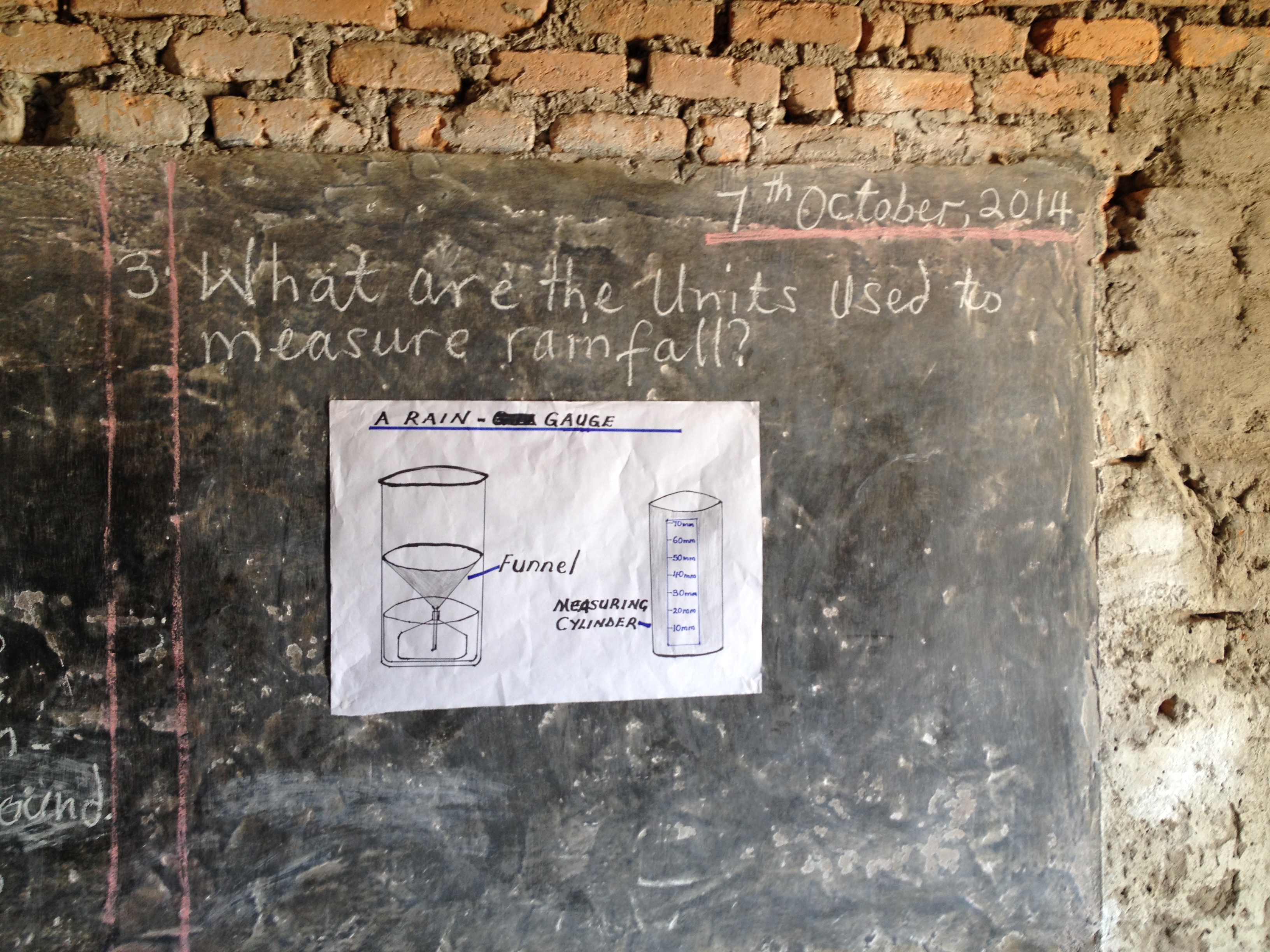
One of the lessons for the day.
January 5, 2014
We recently visited Kapoma School and saw the new school building funded by Take Heart International. It has actually been in use for nearly two years — it was dedicated in December 2011. As the photo below shows, it comes complete with 3 new solar panels. These panels generate enough electricity to power a fluorescent light in each of the two classrooms in the building. We brought two laptop computers, a projector and DVD player, along with a screen and 40 DVDs. Bob spent three days instructing the teacher how to use this equipment. Shirley was delighted to meet the PTA and the community leaders, who enthusiastically support the school. Teachers are now holding literacy classes for 52 adults twice a week at night, in addition to their normal classes for children during the day.
It was heartwarming to see the pride of the community in their school. Curtains had been made for the windows; bricks had been painted and arranged in a pleasing design in front of the school. A group of “boy scouts” marched as our escort, and a school choir sang for us. Bob’s birthday was memorably celebrated with singing, dancing, handmade birthday cards, and a speech by one of the scouts.
We have made a difference in one small village in Africa, which honored us by naming the schoolhouse “The Bob and Shirley Griffin School”. Firsthand we have seen that “out of small things proceedeth that which is great.” We know that we have made a difference in one small corner of Africa.
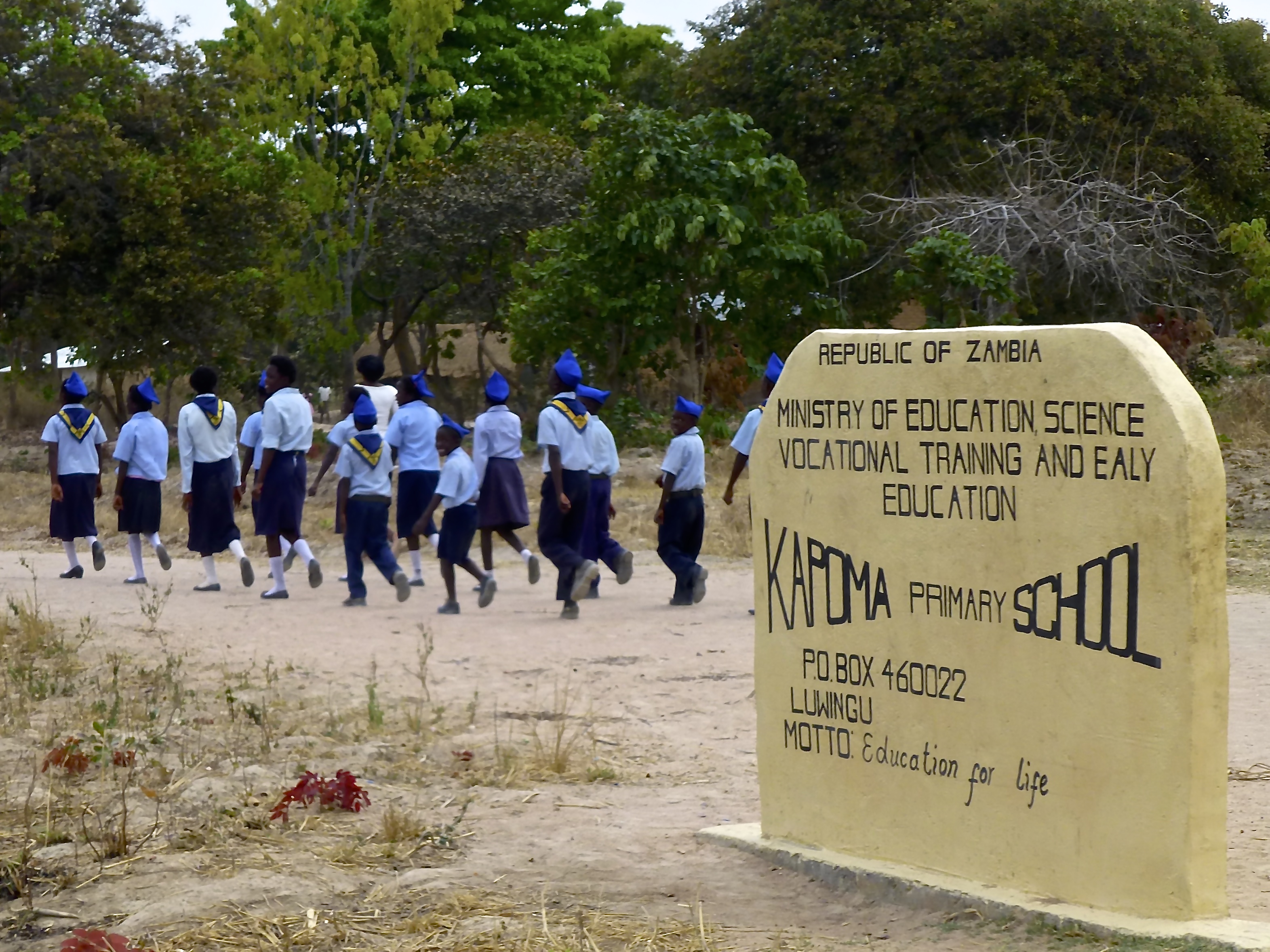
“Boy scouts” marching past the school sign
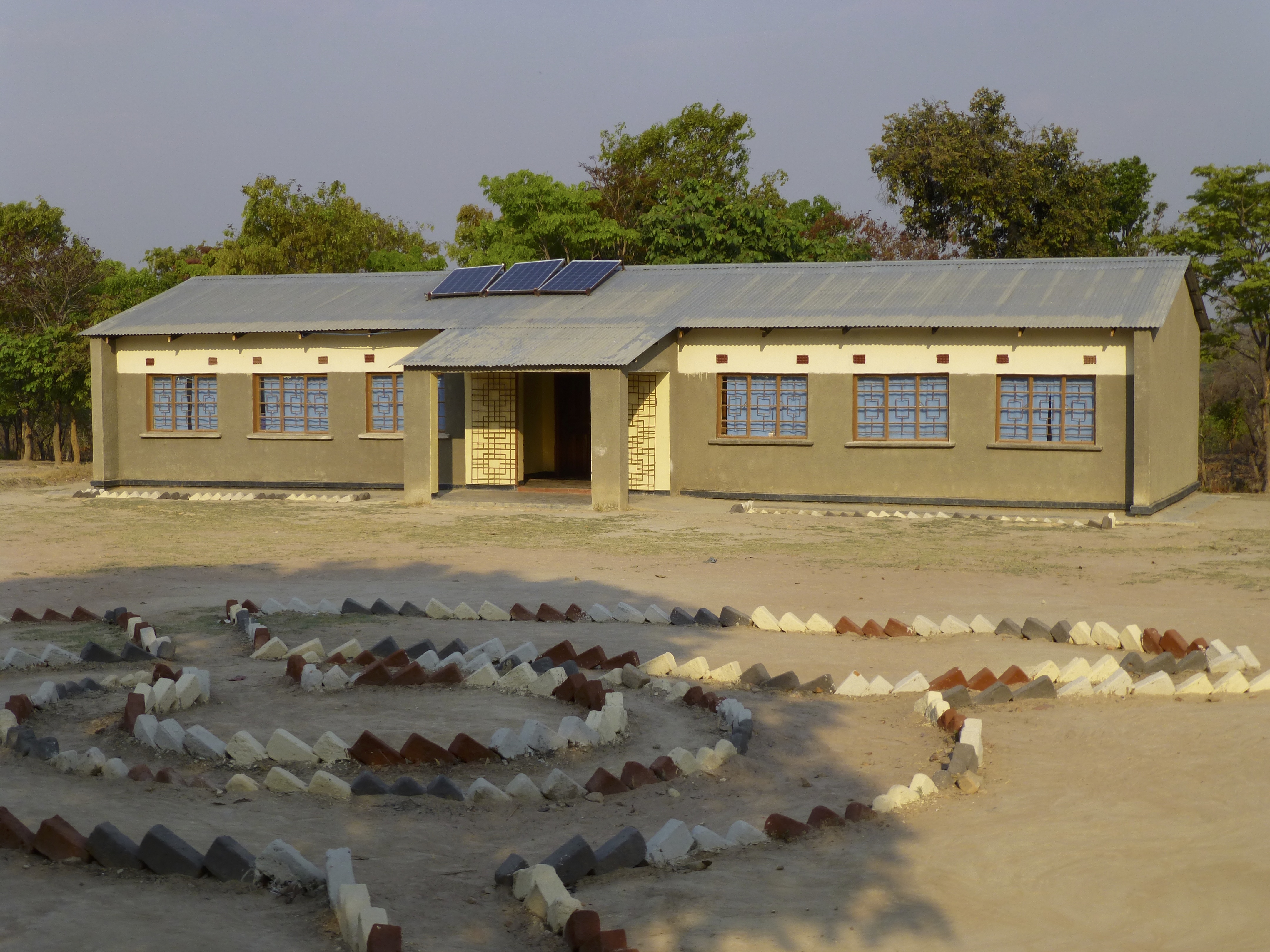
“Bob and Shirley Griffin School”, dedicated in December 2011. Villagers made and baked all of the bricks used to both build the school and to decorate the front. Three solar panels were added, along with batteries and electrical outlets, in 2013. Each classroom now has a fluorescent light.
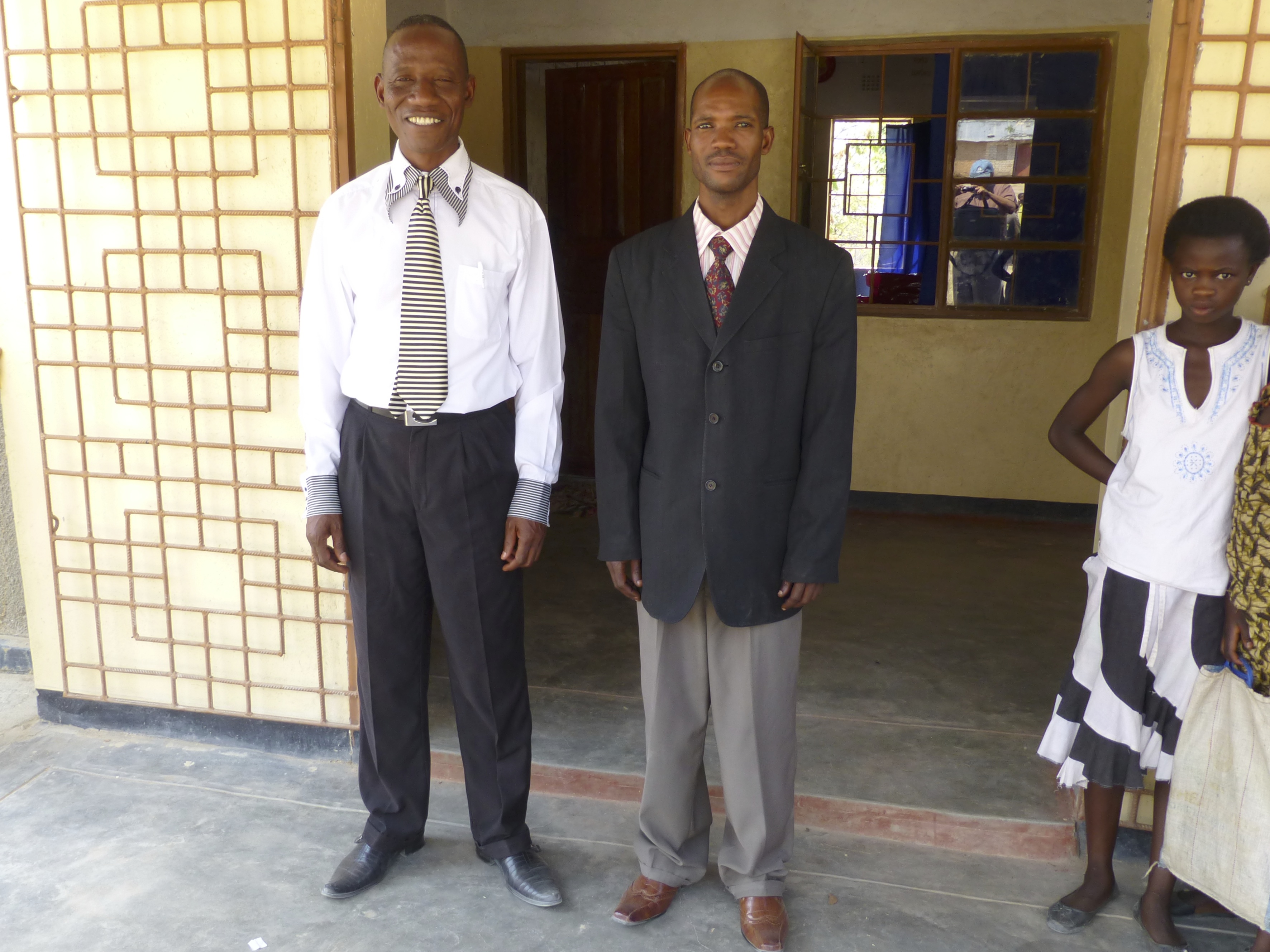
The “superintendent” and Gilbert
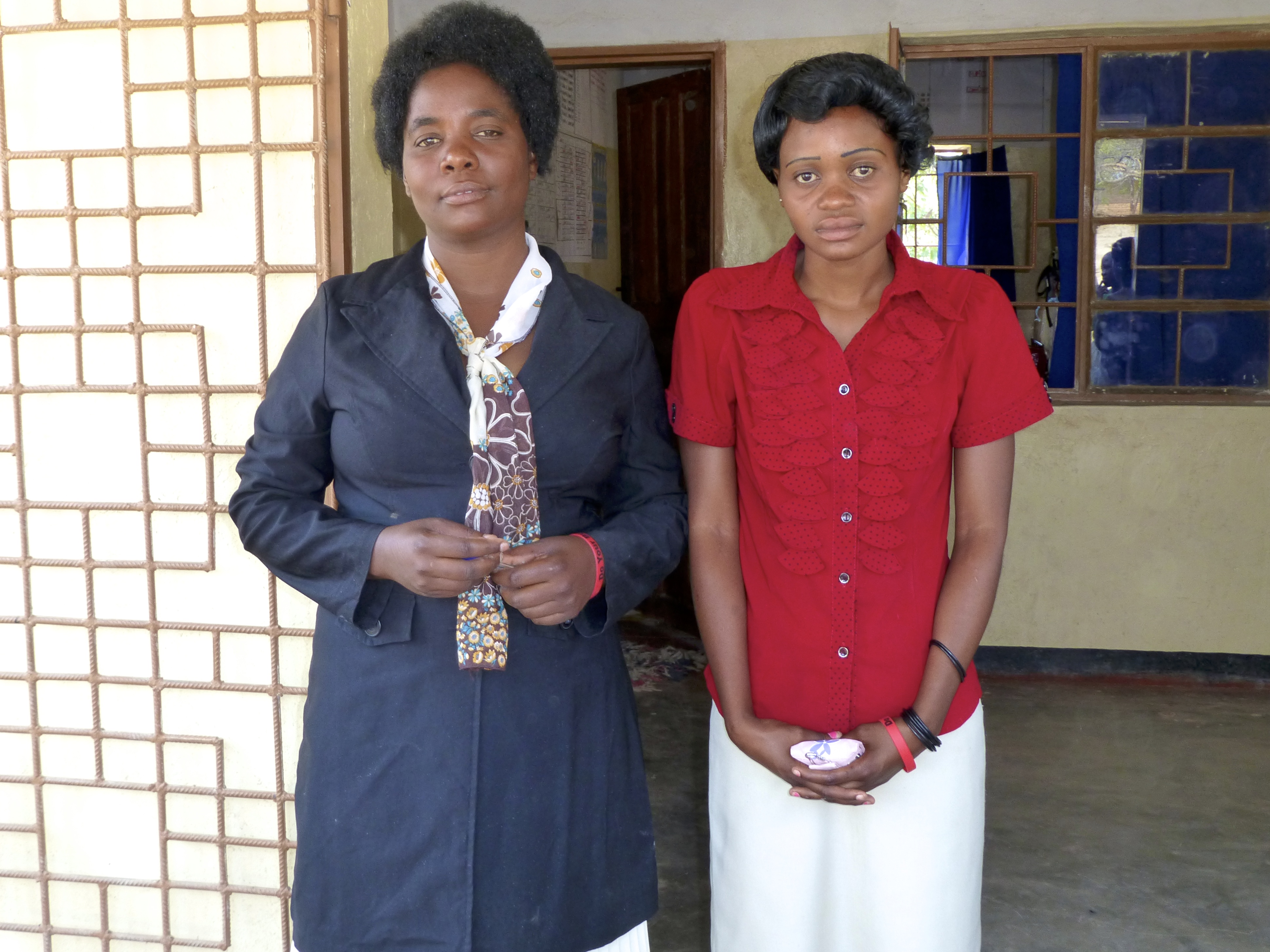
Two of the school teachers
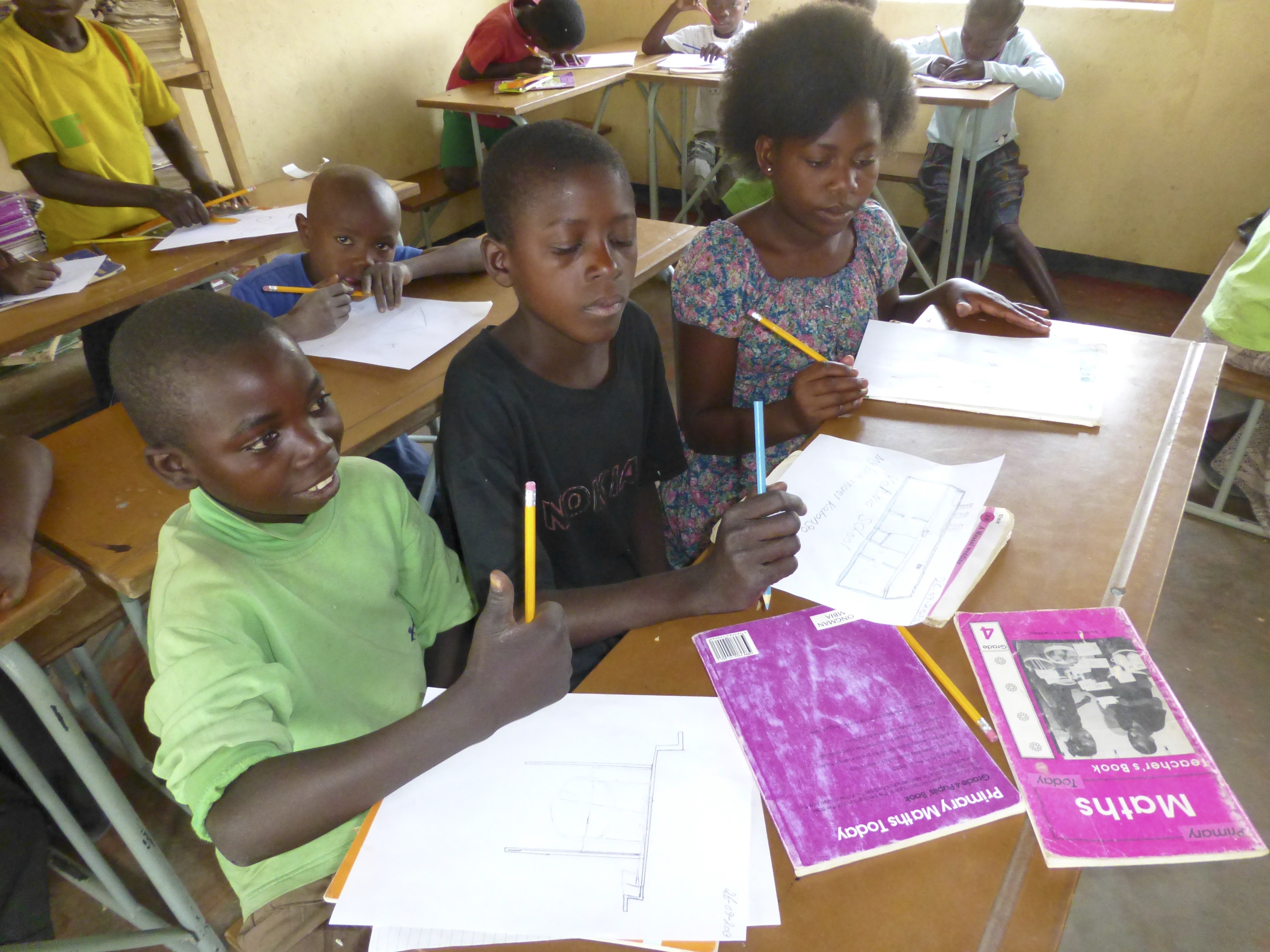
Students hard at work, studying math
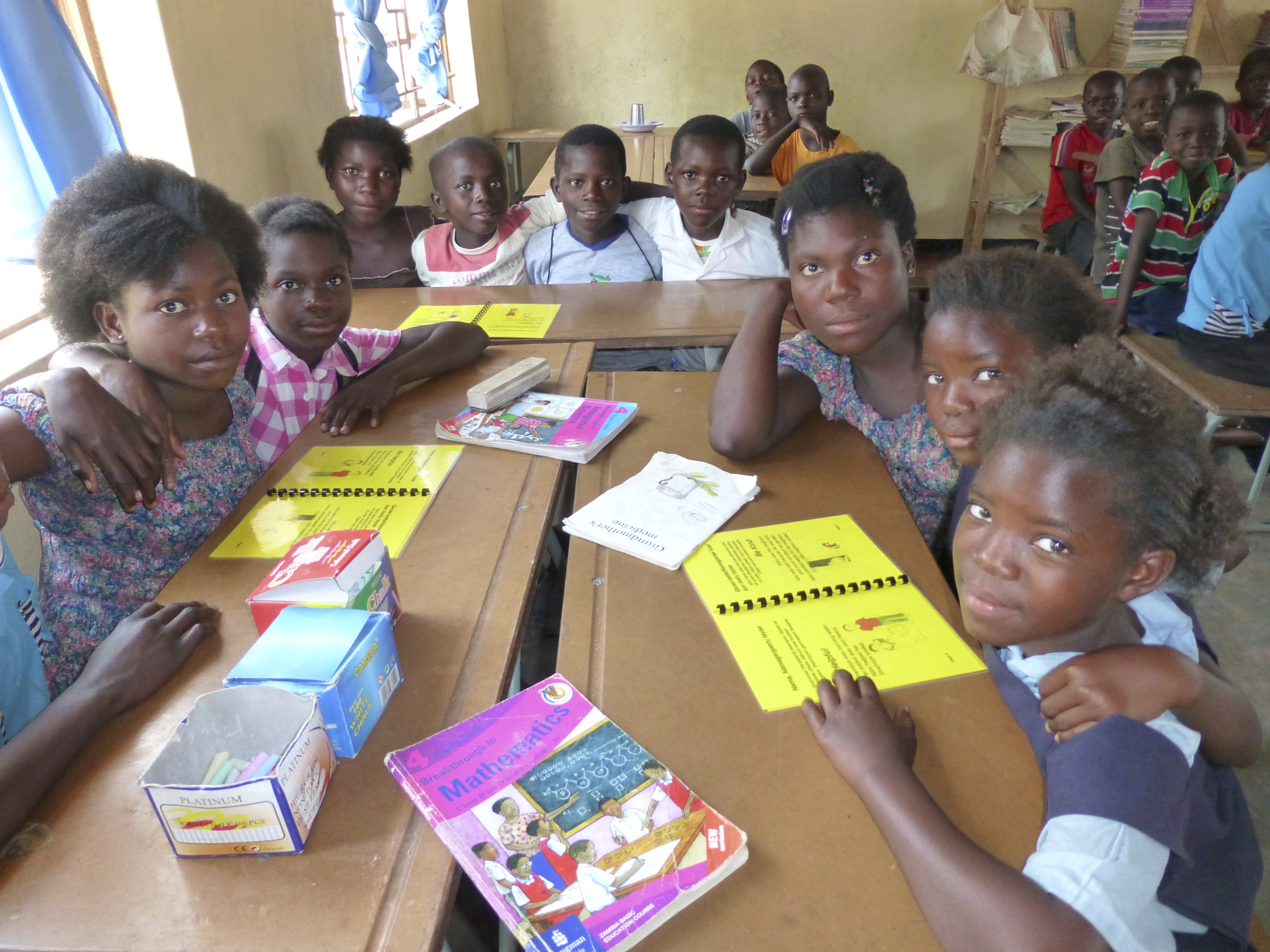
The school has a few materials. We are trying to provide colorful African-culture based storybooks for the school so the children can practice their reading. Each year, every child receives a pencil and a notebook.
January 5, 2012
Bob and Shirley Griffin visited Kapoma School in rural northern Zambia in February, 2011. Gilbert, whom we had assisted through high school and teacher’s college, had been assigned to Kapoma School by the Zambian Ministry of Education about 5 years ago. When we wrote and informed Gilbert about our forthcoming trip to Africa and asked him how we might help his school, he told us that a two room schoolhouse at Kapoma School had an old, decaying thatched roof that leaked and was the home of many insects. He asked us to replace this thatched roof with a metal roof and provided us with a detailed list of supplies and labor costs which totaled about $3,000.
About a month prior to our trip, we were asked by a fifth grade schoolteacher friend of ours, Kelly Timpson, if we could recommend a humanitarian project for the students at his school. We told him about Gilbert’s request for a new schoolhouse roof and he became very excited, declaring that the students at his school could assuredly help African children improve their school.
When we arrived at Kapoma School, after a long adventuresome trip from South Africa, we were welcomed with shouts of happiness from the students there:
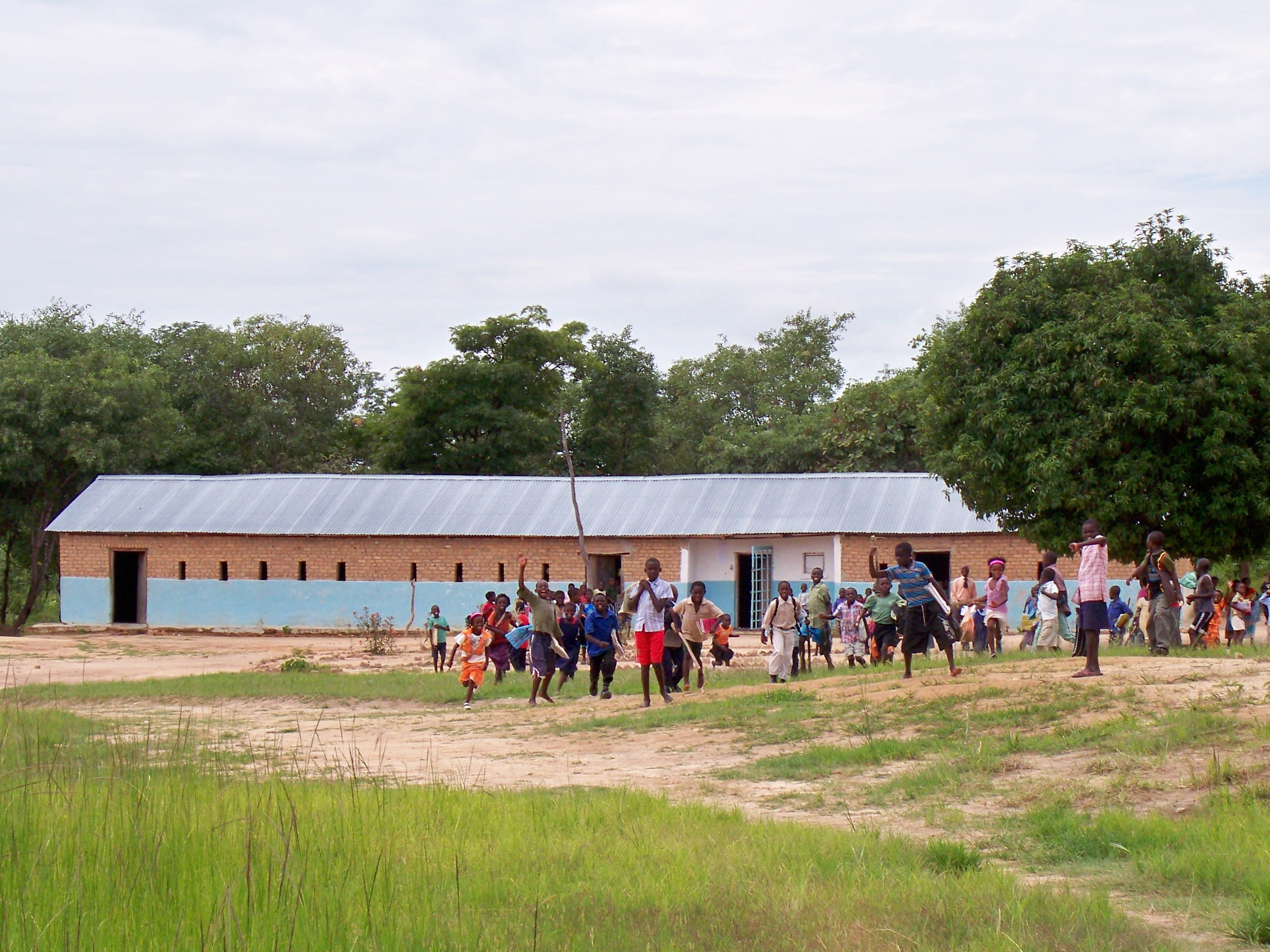
Kapoma school with children ready to greet us
However, we were puzzled about the request for a new roof. The school had a three room schoolhouse built of bricks and a metal roof. We couldn’t identify the two room schoolhouse that needed a metal roof. We did see a shack-like structure with almost no walls and a thatched roof held up by unfinished tree-trunk posts and ready to collapse:
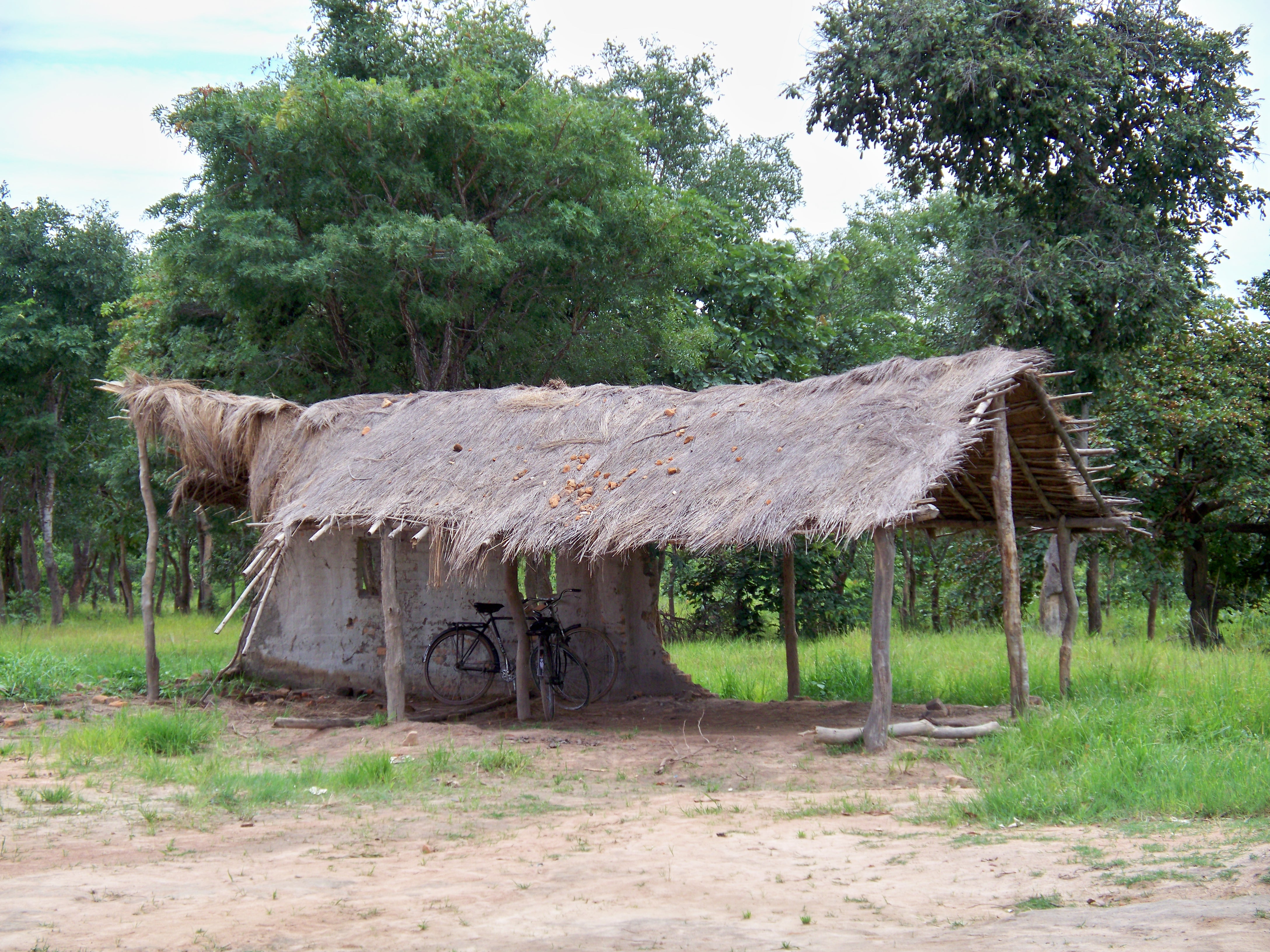
Collapsed, small two-room schoolhouse with thatched roof
Gilbert explained that when he first wrote us, this building had adobe brick walls but that a severe rainstorm destroyed all but a small remnant of the walls and damaged the thatched roof.. Now, he said, they needed a new two-room schoolhouse, not just a roof. Five teachers had been assigned to the school, that now had only three classrooms. 320 pupils attended the school, some in their teens. They were taught in split morning and afternoon sessions, with 30-40 children in each class because of the limited space for teaching. We visited two of the classes:
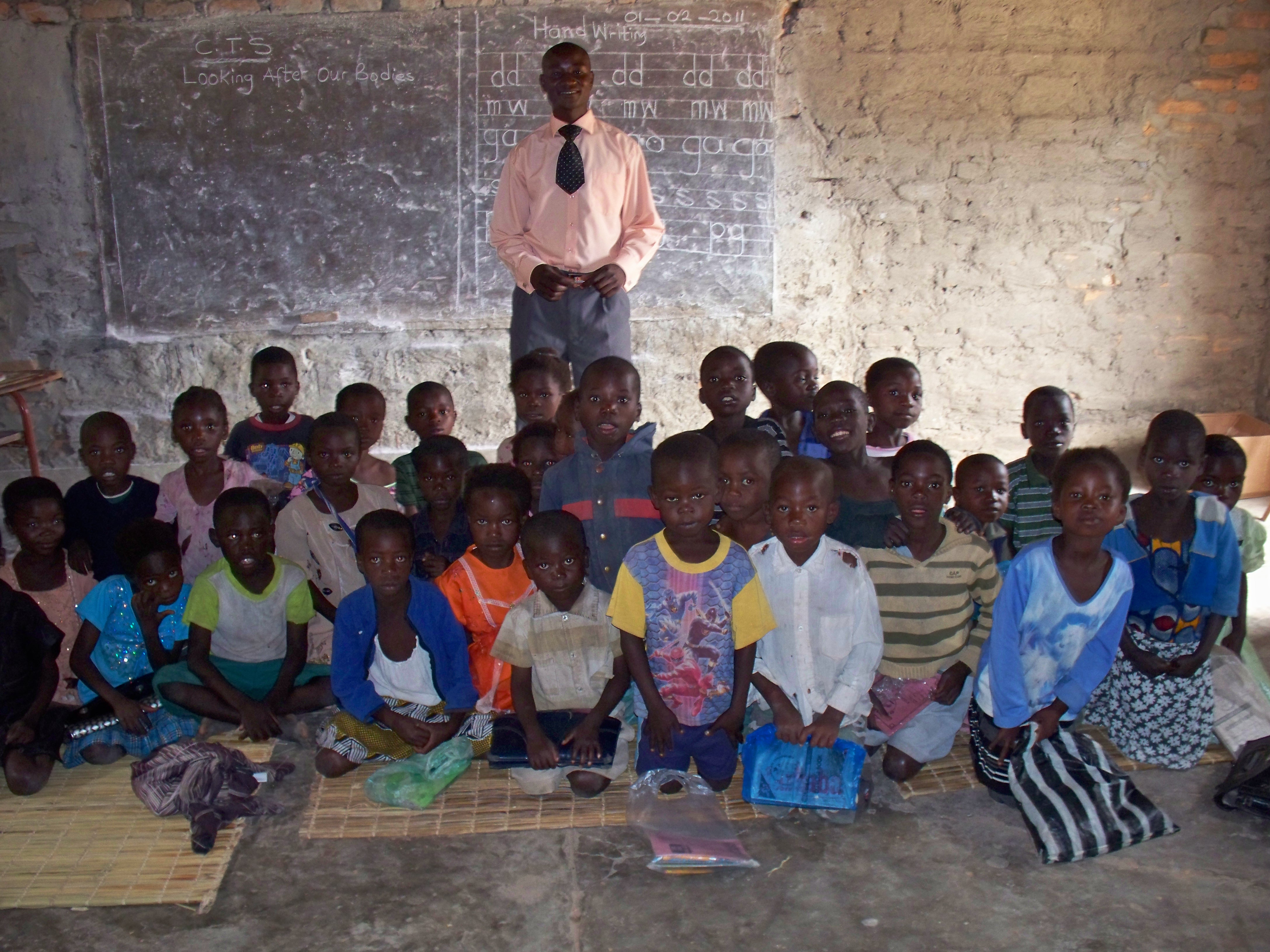
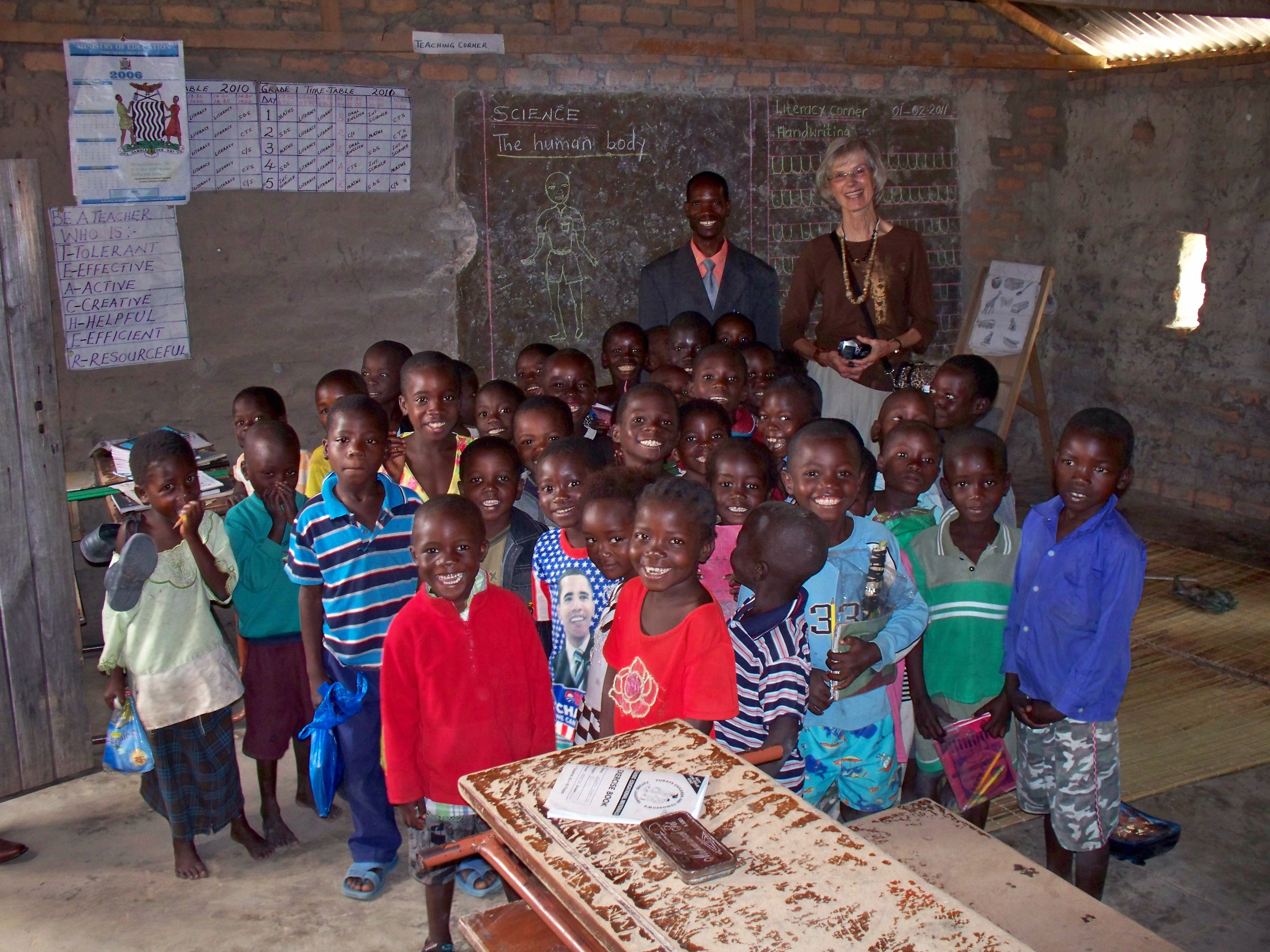
Two classerooms with Gilbert next to Shirley in the lower photo
There were a few, well-worn desks, mostly in the third classroom, where the older children were taught. These children could not afford the small fees to attend school when they were younger:
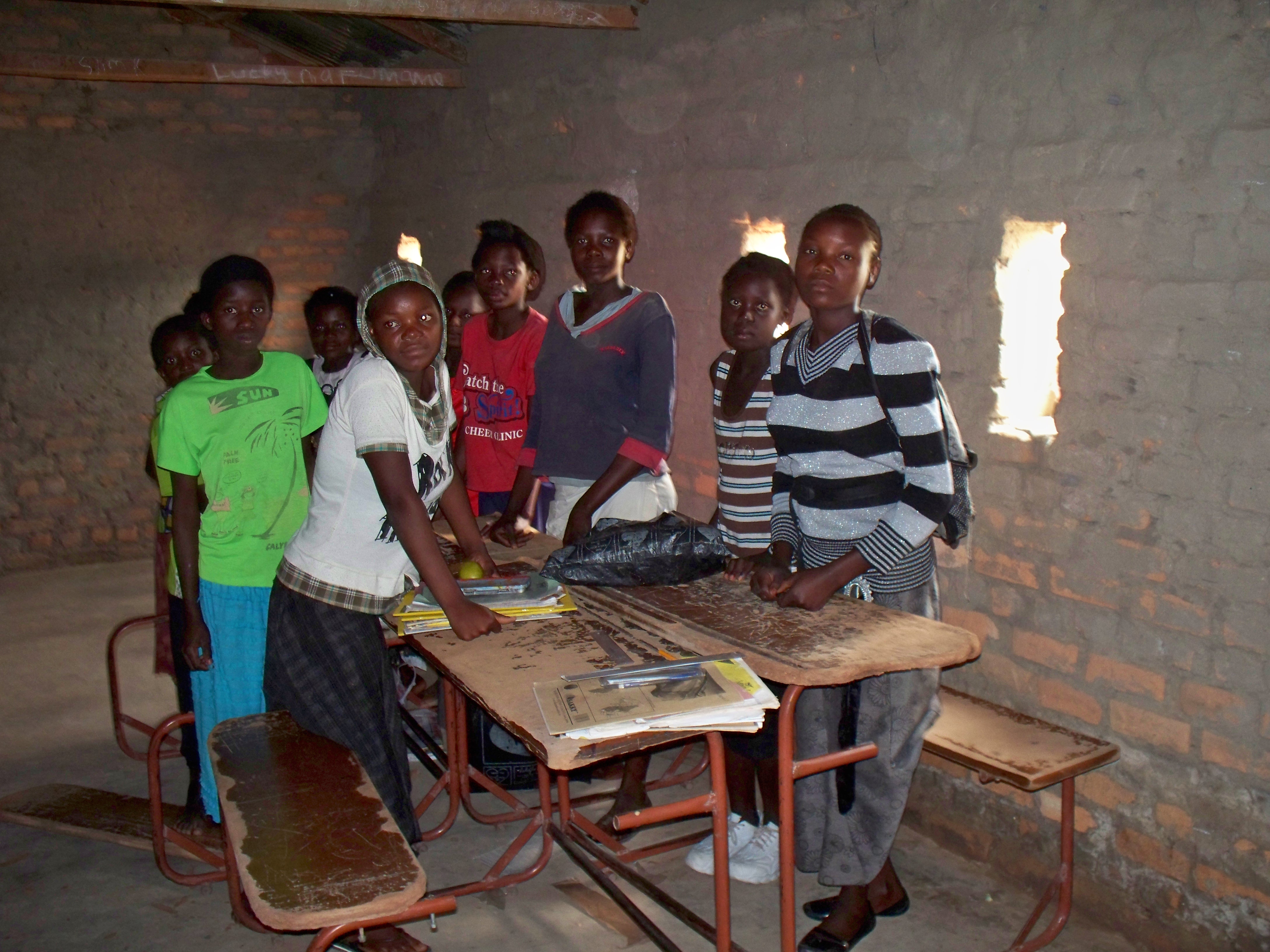
Older children attending Kapoma School
 Take Heart International
Pingback: Kapoma School Update (2012-2013) | Take Heart International